Key Takeaways
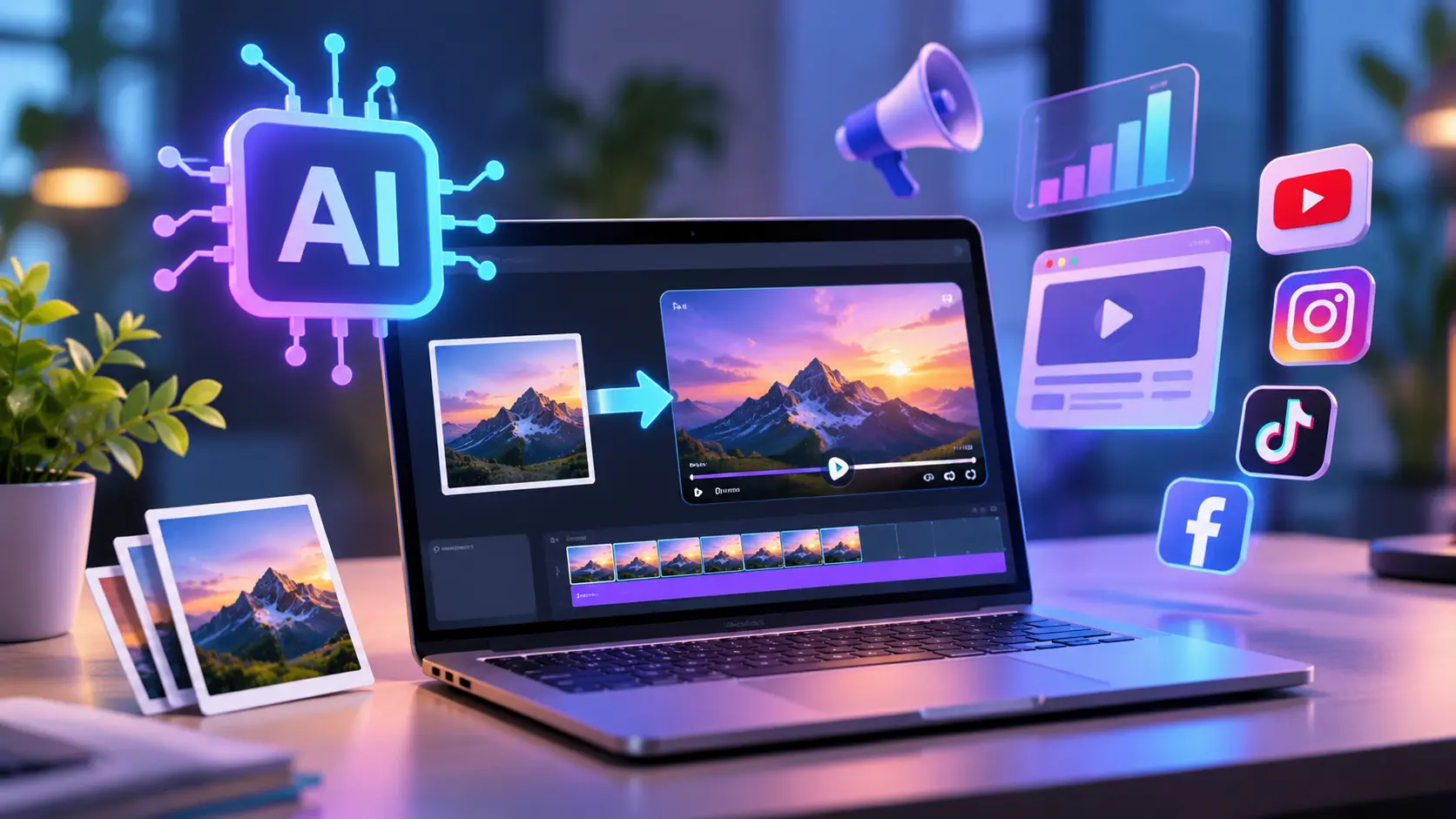
- Static Images to Motion: AI image-to-video generators allow brands to produce captivating video ads directly from existing product photos without new studio shoots.
- Rapid Creative Iteration: Generate diverse background variations, lighting setups, and ad angles for high-converting A/B testing in minutes.
- Top AI Visual Tools: Invideo (multi-model image-to-video AI with Seedance, Kling, and Runway), Canva (intuitive AI graphic templates & animation), and Adobe Express (brand kit alignment with entrance/exit motion controls).
- Human Creative Balance: AI accelerates production, but human brand direction, narrative storytelling, and quality review ensure authentic customer trust.
Visual content plays an important role in digital marketing. From social media posts and product advertisements to website banners and promotional videos, businesses need engaging visuals to connect with their audiences.
Traditionally, creating these visuals required graphic designers, photographers, video editors, and several rounds of revisions. For small businesses and marketing teams, the process could be time-consuming and expensive.
Artificial intelligence is changing how businesses approach visual content creation. AI-powered tools can now help generate images, animate photos, edit videos, and prepare marketing materials for different platforms.
This shift allows businesses to create more content from existing resources while spending less time on repetitive editing tasks.
What Is AI-Powered Visual Content Creation?
AI-powered visual content creation involves using artificial intelligence to create or improve images, graphics, animations, and videos.
Instead of designing every element manually, marketers can describe their ideas, upload existing visuals, or provide instructions to AI tools.
Promotional Graphics
Generates custom product backgrounds, ad banners, and marketing creatives in seconds.
Image-to-Video Animation
Animates still photography into fluid, cinematic video advertisements using generative motion.
Multi-Platform Ad Creatives
Auto-resizes and reformats creatives for Instagram Reels, YouTube Shorts, and feed ads.
Automated Enhancements
Removes unwanted objects, enhances resolution, adjusts lighting, and harmonizes brand palettes.
While AI simplifies production, human creativity remains essential for developing original concepts, maintaining distinct brand identity, and communicating authentic customer value.
How Is AI Changing Visual Content Creation?
1. Making Content Production Faster
Creating marketing visuals manually often involves several steps, including planning, designing, editing, and reviewing. AI tools simplify these tasks by generating initial designs, suggesting visual elements, and helping marketers implement instant changes.
A business preparing a seasonal campaign can create several promotional graphics without designing each one from scratch. This helps marketing teams spend more time planning campaigns and understanding customer needs.
2. Turning Static Images Into Engaging Videos
Businesses often possess extensive libraries of product photographs, promotional graphics, and brand images that remain underutilized across marketing channels. AI makes it possible to turn these existing visuals into high-converting short videos.
Marketers can upload an image, describe the desired camera movement, and generate an animated clip within minutes. An e-commerce business can animate a product photograph with a subtle camera pan to create a social media ad, while a real estate firm can turn architectural stills into immersive video walkthroughs—all without scheduling an expensive physical shoot.
3. Improving Social Media Content Creation
Social media algorithms require businesses to publish fresh, engaging content regularly. AI tools help marketers create graphics, short videos, animations, and promotional materials tailored to each network's aspect ratio and user habits.
A single campaign concept can be efficiently adapted into Instagram Reels, YouTube Shorts, LinkedIn carousel posts, and Facebook feed ads. As discussed in Hooks Tech's analysis of Upcoming Digital Marketing Trends in 2026, AI-powered marketing workflows and short-form video content are defining modern digital brand growth.
4. Making Visual Marketing More Accessible
Not every startup or regional business has an in-house art department or video production team. AI-powered platforms make basic creative tasks accessible to business owners and marketers with limited technical design experience.
A local restaurant can design attractive promotional flyers for a weekend special, while an online boutique can prepare animated product reels for a new launch. Although professional senior designers remain indispensable for strategic branding, AI empowers lean teams to execute everyday creative content independently.
5. Helping Marketers Test Creative Ideas at Scale
Performance marketing campaigns demand continuous creative testing. AI allows advertisers to quickly generate variations of backgrounds, product placements, color treatments, and motion hooks to identify top-performing ad creatives.
Businesses can then compare engagement, click-through rates, and customer conversions to allocate budgets effectively. However, generating volume for its own sake is counterproductive—every creative variation must align with a clear marketing objective.
Best AI Tools for Visual Content Creation
Several AI-powered platforms help businesses produce marketing graphics, motion visuals, and promotional videos. Here are the top three industry-leading tools:
1. Invideo

Invideo helps businesses transform existing images into engaging videos for digital marketing, product promotions, and social media campaigns. It is particularly useful for creating moving visuals from product photographs, brand images, and other reference pictures.
With invideo's image to video ai generator, users can upload images in JPG, PNG, or WEBP format and describe the motion they want, such as a slow zoom, camera pan, or movement within the scene. The platform offers access to AI models including Seedance, Kling, and Runway, giving creators different options for video generation.
Invideo agent can work with reference images to help maintain details such as brand colors, product packaging, and character appearances across multiple clips. It also supports creative animation styles, including hand-drawn and 3D-style effects.
Beyond image animation, invideo supports scriptwriting, storyboarding, AI-assisted editing, and a timeline editor. Teams can refine generated clips through written instructions, collaborate on projects, and export videos in formats suitable for Instagram, TikTok, and YouTube. Supported AI assistants can also connect through invideo MCP.
These features make invideo a strong option for businesses looking to create product advertisements, animated social media content, and supporting B-roll footage using existing images.
Best for: Businesses, e-commerce brands, and marketers creating animated product videos and promotional content.
2. Canva

Canva is an online design platform that helps businesses create social media graphics, presentations, advertisements, and video content. Its simple interface makes it accessible to marketers without advanced design experience.
The platform includes AI-powered features for generating images, creating visual layouts, and turning images into short animated clips. Users can describe the animation they want or apply available motion effects to make static graphics more engaging.
Canva also provides tools for adding text, adjusting colors, arranging visual elements, and combining graphics with music or video clips. Businesses can create promotional posts, product announcements, event graphics, and social media advertisements from one workspace.
Its brand management features help teams maintain consistent fonts, colors, and logos across different marketing materials. This is particularly helpful when several people contribute to a campaign.
Canva works well for businesses that regularly publish visual content and want a simple way to produce designs and animations without switching between multiple applications.
Best for: Small businesses, social media managers, and marketing teams creating branded graphics and simple animated content.
3. Adobe Express
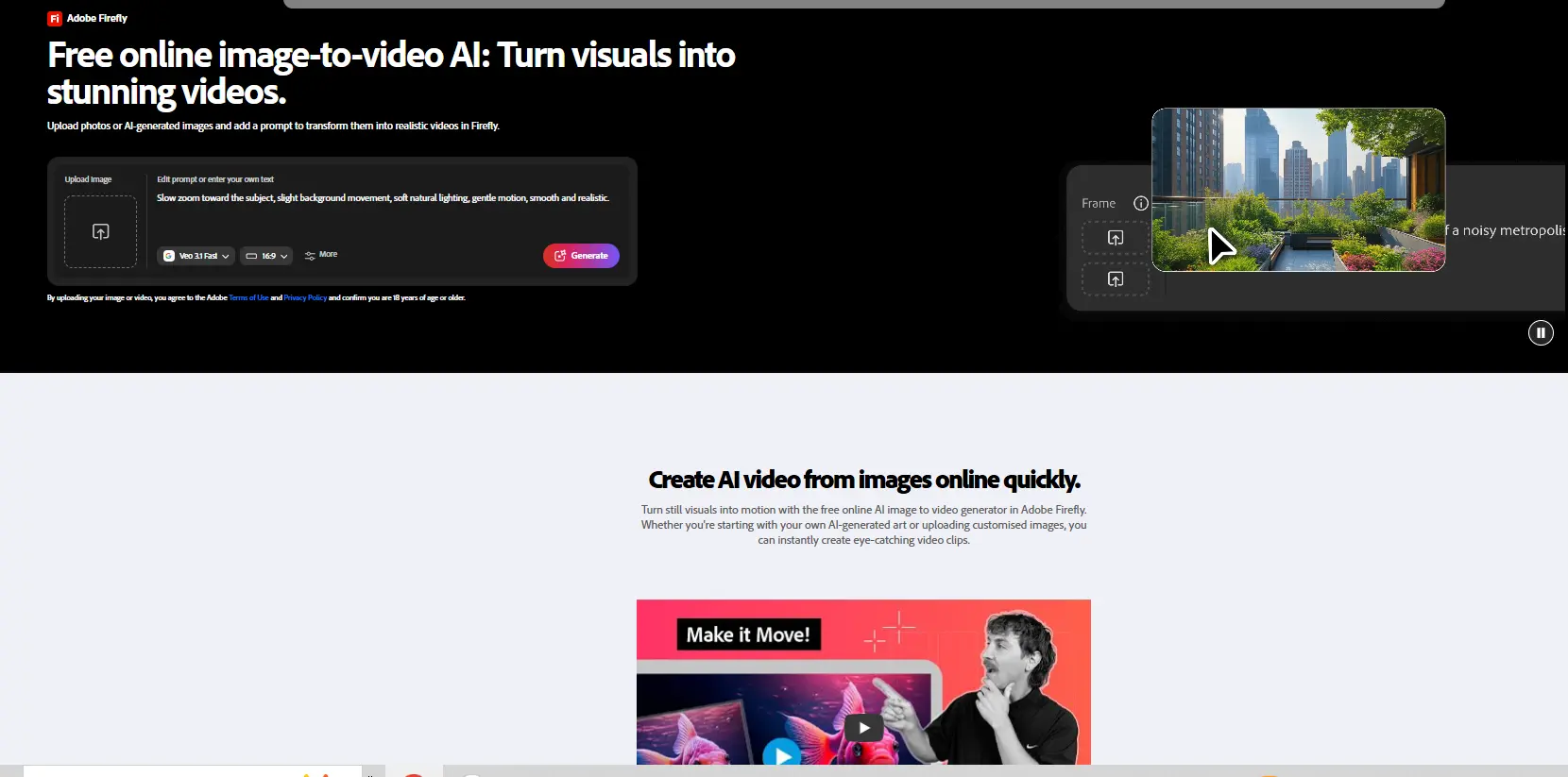
Adobe Express is a creative design platform that helps marketers produce graphics, social media content, promotional videos, and animated designs.
The platform includes tools for adding movement to photographs, text, icons, and other visual elements. Users can apply entrance, exit, and looping animations to create more dynamic content from existing graphics.
Adobe Express also supports editing layouts, combining design elements, and preparing marketing materials for different digital platforms. Businesses can create animated announcements, social media advertisements, product promotions, and short videos without working through complex editing software.
Its animation controls allow users to adjust movement, speed, and direction to match the intended visual style. For marketing teams that already work with branded graphics, Adobe Express offers a practical way to add motion and prepare multiple campaign assets.
The platform is especially useful when businesses want to maintain a polished visual identity while producing content for websites, advertisements, and social media.
Best for: Marketers, designers, and businesses creating animated graphics and professional promotional materials.
How Can Businesses Add AI to Their Visual Marketing Workflow?
Businesses can achieve superior results from AI design tools by implementing a disciplined, multi-step creative workflow:
Identify the Core Marketing Goal
Define the exact conversion objective. An e-commerce product ad should highlight tactile benefits and features, while a social awareness campaign focuses on emotional connection and brand recall.
Prepare High-Resolution Brand Assets
Gather your official brand logos, approved color palettes, and crisp product photography. Using authentic visual inputs grounds the AI models and prevents generic stylistic hallucinations.
Craft Precise, Descriptive AI Prompts
Rather than entering generic prompts like "create a product video," specify camera focal length, cinematic lighting, panning speed, and background textures. As outlined in our Prompt Engineering Guide 2026, structured prompting directly determines output fidelity.
Review & Refine Before Publishing
Perform rigorous human quality checks. Verify that product logos, packaging typography, color rendering, and physical motion appear completely natural before launching across paid channels.
Track Engagement & Conversion Metrics
Analyze CTR, ROAS, and video completion rates. When running advertising campaigns, check out Hooks Tech's practical playbook on How PPC Marketing Helps Small Businesses to translate creative engagement into qualified sales inquiries.
Challenges of Using AI for Visual Content Creation
Despite its remarkable capabilities, AI-generated visual content presents several practical challenges that marketers must navigate:
- Motion Artifacts & Distortion: Image-to-video generators can occasionally introduce morphing textures, unnatural limb movement, or warped product proportions. Careful human review is non-negotiable.
- Commercial Usage Rights & Copyright: Businesses must ensure that AI tools grant clear commercial licenses and that training data models comply with intellectual property regulations.
- Brand Homogenization: Over-relying on default AI aesthetic templates can cause your brand to look indistinguishable from competitors. Maintaining strict custom typography, color codes, and unique messaging protects brand equity.
What Is the Future of AI in Visual Marketing?
AI will continue to make visual production faster, more accessible, and remarkably flexible. Over the coming years, marketing teams will seamlessly animate static catalogs, test hyper-personalized ad variations for distinct demographics, and produce multi-format campaigns with unprecedented speed.
However, technology is merely an amplifier. The most successful brands will be those that marry AI production speed with genuine human empathy, strategic brand positioning, and compelling visual storytelling.
Conclusion
Artificial intelligence is fundamentally reshaping visual content creation, transforming static photographs into captivating videos and democratizing high-end design for growing enterprises.
Platforms like Invideo, Canva, and Adobe Express offer distinct advantages across different stages of the creative pipeline. By selecting the right tools and maintaining disciplined human oversight, businesses can dramatically elevate their digital marketing impact while optimizing production costs.
Looking to build an authoritative, high-converting digital presence? As a dedicated Digital Marketing Company in Madurai serving ambitious brands across Tamil Nadu and India, Hooks Tech blends strategic SEO, paid performance advertising, and modern web engineering to drive measurable business growth.
Frequently Asked Questions
Stay Updated
Get the latest AI marketing playbooks and visual design trends delivered straight to your inbox.
Related Playbooks
Scale Your Visual Marketing
Looking to modernize your brand creatives, website funnels, and performance marketing with AI?
Get Free Strategy Call